

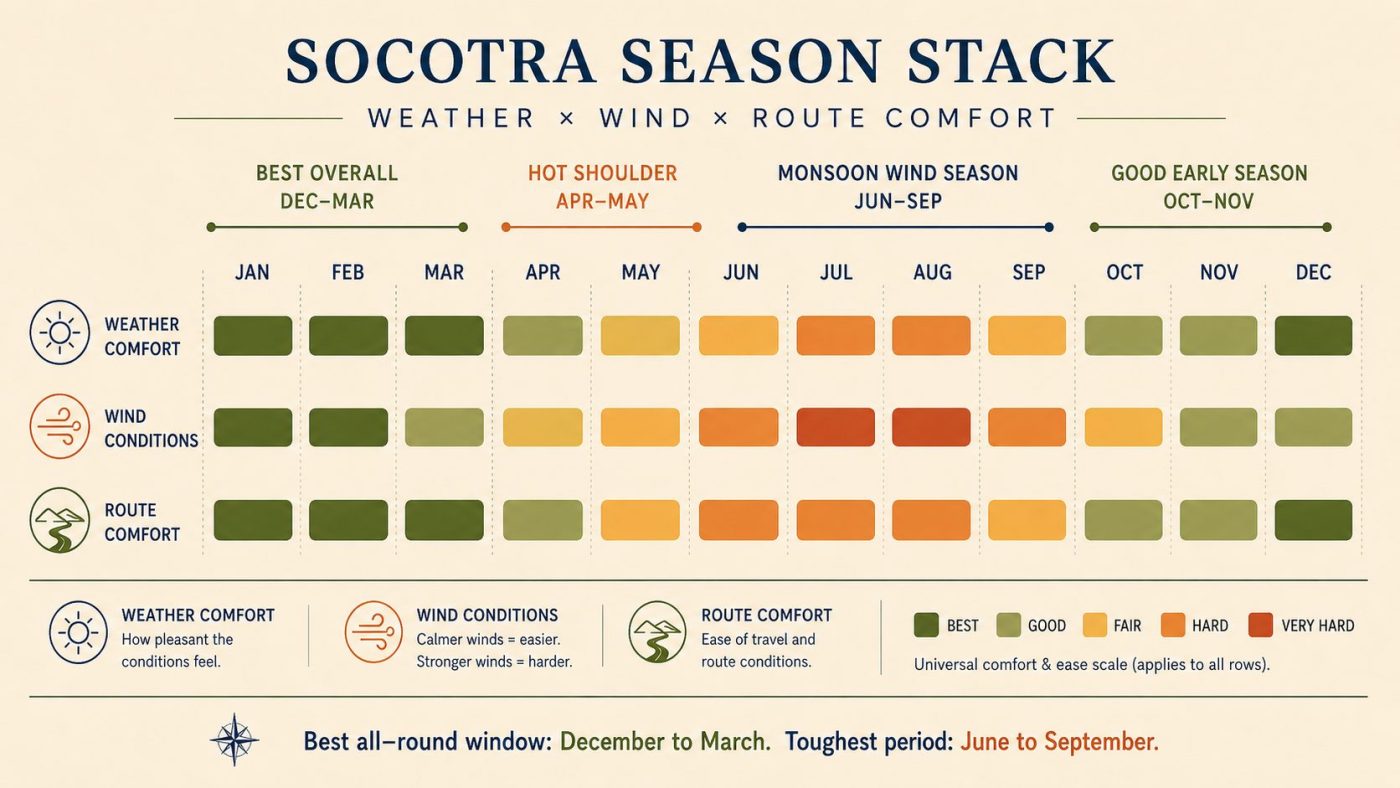
The best time to visit Socotra is usually from December to March, when the island has the strongest balance of warm weather, manageable heat, better hiking conditions and more comfortable camping. The wider travel season normally runs from October to April, while June to September is generally the period to avoid because of the southwest monsoon, stronger winds and rougher sea conditions.
That short answer is useful, but it does not tell the whole story. Socotra is not a simple beach island where the only question is whether it will rain. The wind matters. The sea matters. Flights matter. Safety advisories matter. Your route matters too, because a traveler focused on Detwah Lagoon and beaches may choose a slightly different month from someone planning harder inland days around Diksam Plateau, Firmihin Forest and Hoq Cave.
Before choosing dates, it is also worth reading our separate guide on whether it is safe to travel to Socotra. Weather may decide how comfortable the trip feels, but logistics and safety decide whether the trip makes sense in the first place.
Best time to visit Socotra at a glance
A quick summary before getting into the month-by-month details, wind patterns and route planning.
December to March
October to April
June to September
December to February
February to March
Wind and sea conditions
Quick Answer: When Is the Best Time to Visit Socotra?
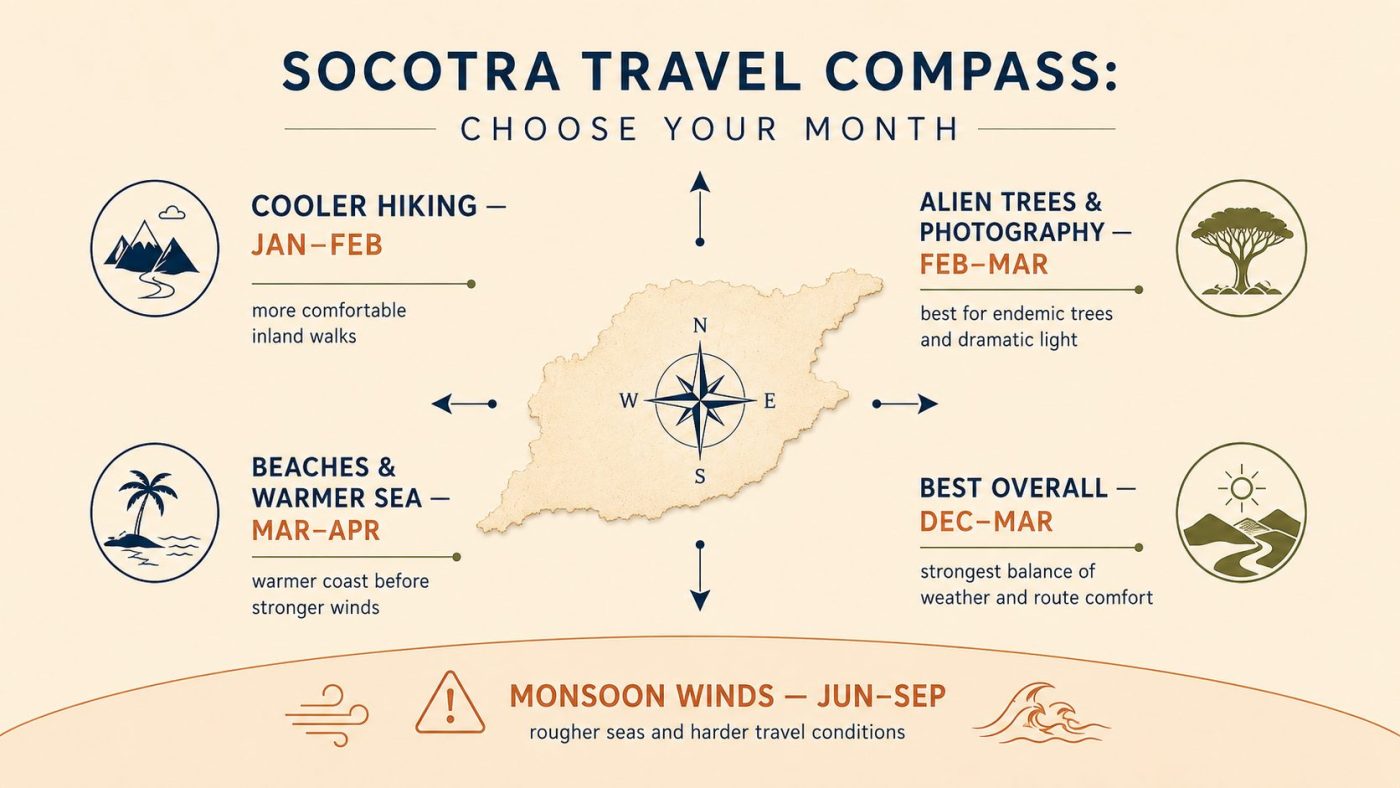
For most travelers, the best time to visit Socotra is December to March. These months usually give the most comfortable version of the island: warm days, less punishing heat, better conditions for camping, and more realistic days on the road. If you have only one chance to visit Socotra and want the safest seasonal choice, choose February or March.
January and February are especially good if you care about cooler hiking conditions. March is often the favorite month for photographers and travelers interested in Socotra’s endemic plants. April can still be a good month, especially for beaches and warmer coastal days, but the heat becomes more noticeable inland. May is already borderline. June, July, August and much of September are usually poor choices for a classic Socotra trip.
| Travel goal | Best months | Why it works |
|---|---|---|
| Best overall trip | December to March | Comfortable weather, easier hiking, better camping conditions |
| Cooler hiking weather | January to February | Less heat during inland walks and plateau days |
| Photography and endemic trees | February to March | Good seasonal balance, strong landscape contrast, better natural interest |
| Beaches and warmer water | March to April | Warmer coastal conditions before the stronger wind season |
| Avoiding the worst conditions | Avoid June to September | Southwest monsoon period with stronger winds and rougher seas |
Why Timing Matters More on Socotra Than on Most Islands
On many islands, the “best time to visit” is mostly a rain question. Socotra is different. The main seasonal problem is often not heavy rain. It is wind.
When the wind is manageable, Socotra can feel wide open and surprisingly gentle: empty beaches, slow coastal drives, early mornings at camp, pale lagoons, dry plateaus and strange trees standing against the sky. When the wind is strong, the same island becomes harder. Sand moves. The sea gets rougher. Boat plans become less reliable. Camping is less comfortable. Long exposed drives feel more tiring.
This matters because most Socotra trips are not hotel-based resort holidays. They are usually nature-focused overland journeys with simple camps, remote beaches, inland plateaus and basic facilities. A good month makes the whole route feel smoother. A bad month turns every small thing into work.
Timing also affects which places feel best. Coastal areas such as Qalansiyah, Detwah Lagoon, Shoab Beach and Dihamri depend heavily on sea and wind conditions. Inland places such as Homhil, Diksam Plateau, Firmihin Forest and Skand Peak are more affected by heat, sun exposure and road comfort.
Socotra Seasons Explained
October to April: Main Travel Season
The main Socotra travel season usually runs from October to April. This is the broad window when most visitors should be looking. The summer wind period has eased, the sea is more realistic for coastal plans, and overland touring becomes more comfortable again.
That does not mean every month in this window is equal. October is still early season. November is generally good, but can feel more transitional. December to March is the strongest core season. April can be excellent for some travelers, but it is warmer and less ideal for people who dislike heat.
December to March: Best Overall Window
December to March is the period that makes the most sense for a first Socotra trip. It is the best balance between comfort and access. You can build a route that includes beaches, wadis, caves, plateaus, dunes and endemic plants without planning every hour around heat or wind.
This is the period I would choose for a classic itinerary: Diksam Plateau, Firmihin Forest, Homhil, Detwah Lagoon, Arher Dunes, Hoq Cave and a few coastal stops. It is still remote travel. It is still simple. But the island usually works with you rather than against you.
April to May: Hotter Shoulder Period
April can still be a good month to visit Socotra. The sea can feel inviting, the light is strong, and beach-focused travelers may enjoy the warmer coastal rhythm. Places such as Aomak Beach, Delisha Beach, Dihamri and Qaria Lagoon can fit well into an April route.
May is more complicated. It can still be possible, but it is not the cleanest recommendation for a first-time visitor. Heat increases, wind becomes more important, and the island starts moving toward the less comfortable part of the year. If your dates are flexible, go earlier.
June to September: Monsoon and Strong Wind Season
June to September is generally the wrong period for a classic Socotra trip. The issue is not that the island disappears under rain. The issue is the southwest monsoon, stronger winds and rougher sea conditions. This can affect beach days, boat trips, camping comfort and the overall feel of the journey.
July and August are usually the hardest months to recommend. September is transitional, especially later in the month, but October is a safer choice if you want an early-season trip.
When travel conditions are usually most manageable
Socotra Weather and Travel Conditions by Month
January
January is one of the best months to visit Socotra, especially for a first trip. The weather is usually warm without feeling as punishing as late spring, and inland routes are easier to enjoy. If your itinerary includes Diksam Plateau, Firmihin Forest, Homhil or Hoq Cave, January is a strong choice.
It is also a good month for camping. Nights can feel cooler in exposed or elevated areas, but that is usually a benefit rather than a problem. Bring a light layer. You will probably use it.
February
February may be the best all-round month for Socotra. It gives you the core high-season benefits without the hotter feeling of April or May. It is especially good for travelers who want a mixed route: inland trees, beaches, wadis, dunes and short hikes.
This is a strong month for places such as Homhil, Wadi Ayhft and Dirhur Canyon. It is also a good time to understand why the Dragon Blood Tree is not just a symbol of Socotra, but one of the main reasons the island feels so different from anywhere else.
March
March is often treated as the best month to visit Socotra, and there is a good reason for that. It is warm, photogenic and still usually very workable for a full route. Travelers interested in endemic plants often like this period, especially if the route includes the Bottle Tree, the Dragon Blood Tree and the Cucumber Tree.
March is also a good month for the big visual contrasts: dragon blood trees on dry plateaus, white beaches, limestone cliffs, dune walls and blue lagoons. For photography, it is hard to beat. For the coolest hiking conditions, January or February may still be better.
April
April is still inside the good travel window, but it feels warmer. That matters if your route has long inland walks or exposed climbs. For beach-focused travelers, April can be attractive. The coast feels warmer, the sea can be appealing, and places like Dihamri, Delisha Beach, Aomak Beach and Qaria Lagoon fit naturally into the season.
The trade-off is simple: April is good, but less forgiving than January, February or March. If you handle heat well, it can work. If you want the easiest first trip, choose earlier.
May
May is a borderline month. It can still be possible, but it is not the clean recommendation. Heat is more noticeable, and the island starts shifting toward the windier part of the year. You should not think of May as “basically the same as March.” It is not.
If you travel in May, a coastal-heavy route usually makes more sense than a route built around demanding hikes. Even then, flexibility matters. This is a month for people who understand the compromise.
June
June is usually the beginning of the period most travelers should avoid. The wind becomes a bigger issue, sea conditions become less reliable, and the classic Socotra experience becomes harder to enjoy. It is not the best month for beaches, boat plans, camping or relaxed overland touring.
July
July is one of the worst months for a normal Socotra trip. Strong winds can dominate the island experience. Even if the temperature looks warm on paper, the conditions on the ground can feel rough, dusty and uncomfortable.
This is the kind of month where “is it technically possible?” is the wrong question. The better question is: will it feel like the Socotra trip you came for? For most travelers, the answer is no.
August
August is still deep in the difficult season. Wind and rough sea conditions can make the island less enjoyable, especially for anyone expecting calm beaches, easy camping or reliable coastal exploration. It is generally not a good choice for first-time visitors.
September
September is transitional. Conditions may begin improving later in the month, but early September can still feel too close to the wind season. If you want an early-season trip, October is usually the safer and cleaner choice.
October
October is when Socotra becomes more realistic again for classic routes. The island starts returning to its main travel rhythm after the summer wind period. It can be a good month for travelers who want to avoid the deeper high season while still visiting places such as Qalansiyah, Detwah Lagoon and Shoab Beach.
It is still early season, so keep expectations flexible. October can be good. December to March is stronger.
November
November is a solid early-season month. It is usually a better choice than October if you want more settled conditions, while still coming before the deepest part of the peak season. Mixed routes work well here: beaches, wadis, inland viewpoints and short walks.
It is a good month to include places such as Wadi Kalisan, Wadi Ayhft, Dirhur Canyon and the main western coastline around Detwah Lagoon.
December
December is one of the best months to visit Socotra. The main season has settled in, the weather is usually comfortable for overland routes, and it is a good time for first-time travelers. If you want the island to feel adventurous but not unnecessarily hard, December is a strong choice.
It is also a good month for the classic route structure: inland plateau, dragon blood tree landscapes, dunes, lagoons, beaches and simple camp life.
| Month | Travel conditions | Best for | Verdict |
|---|---|---|---|
| January | Comfortable high season conditions | Hiking, camping, first trip | Excellent |
| February | One of the best overall months | Inland routes, photography, nature | Excellent |
| March | Warmer, photogenic, still very manageable | Photography, plants, mixed routes | Excellent |
| April | Hotter but still workable | Beaches, snorkeling, coastal time | Good |
| May | Hot and transitional | Flexible travelers only | Borderline |
| June | Wind season begins | Not ideal for normal trips | Avoid |
| July | Strong wind period | Very limited travel comfort | Avoid |
| August | Still windy and difficult | Not recommended | Avoid |
| September | Transitional month | Late-month flexibility only | Risky |
| October | Season begins to return | Early-season routes | Good |
| November | Good early-season balance | Mixed beach and inland routes | Good |
| December | High season begins strongly | First-time trips, camping, hiking | Excellent |
Is March Really the Best Month to Visit Socotra?
March may be the best month for some travelers, but it is not automatically the best month for everyone.
It is a very strong month for photography, endemic plants and dramatic landscape contrast. The light is good, the island is still inside the main travel season, and the weather is usually much easier than late spring. If your dream Socotra trip is about strange trees, empty landscapes and big visual moments, March is hard to argue against.
But February may be better if you want cooler hiking and camping. January may be better if you dislike heat. April may be better if your trip is more beach-focused and you want warmer coastal conditions. That is why the better answer is not “March is always best.” The better answer is: March is one of the best months, especially for photography and endemic plants, while December to March is the best overall window.
For plant-focused travelers, March is a good month to read more about Socotra’s most unusual species before planning the route: the Dragon Blood Tree, the Bottle Tree and the Cucumber Tree.
Why Wind Matters More Than Rain on Socotra
The biggest mistake people make when planning Socotra is thinking only in terms of rain. On this island, wind is often the more important seasonal factor.
Strong wind changes the way the island feels. It can make beaches less relaxing, sea conditions rougher, camping less comfortable and exposed drives more tiring. It can also affect boat plans, which matters if your itinerary includes coastal movement around places like Shoab Beach or remote parts of the coastline.
This is why June to September is not just “low season.” It is a different kind of Socotra. For most travelers, it is not the version they imagine when they see photos of calm lagoons, empty beaches and sculptural trees under clean light.
What changes when the wind gets stronger
Best Time to Visit Socotra by Travel Style
There is no single perfect month for every traveler. A photographer, a hiker and a beach-focused traveler may all choose slightly different dates. The table below gives a practical way to think about it.
| Travel style | Best months | Best places to include |
|---|---|---|
| First-time Socotra trip | December to March | Diksam, Firmihin, Detwah, Arher, Homhil |
| Photography | February to March | Firmihin Forest, Diksam Plateau, Arher Dunes, Detwah Lagoon |
| Hiking | December to February | Hoq Cave, Skand Peak, Homhil, Wadi Ayhft |
| Beaches and coastal landscapes | October to April | Detwah Lagoon, Shoab Beach, Aomak Beach, Delisha Beach |
| Snorkeling and marine life | November to April | Dihamri, Qaria Lagoon, Ras Erissel |
| Desert-like dune scenery | December to March | Arher Dunes, Zahek Dunes, Nuged Beach |
Best Time to Visit Socotra’s Main Places
A strong Socotra itinerary usually combines coastline, dunes, plateaus, wadis and endemic plant landscapes. The best season depends partly on which of those matter most to you.
Detwah Lagoon and Qalansiyah
Detwah Lagoon and Qalansiyah are best visited during the main season from October to April, with December to March offering the most reliable overall comfort. The lagoon is one of Socotra’s signature views: shallow water, pale sand, changing light and a wide coastal silence that feels very far from ordinary beach tourism.
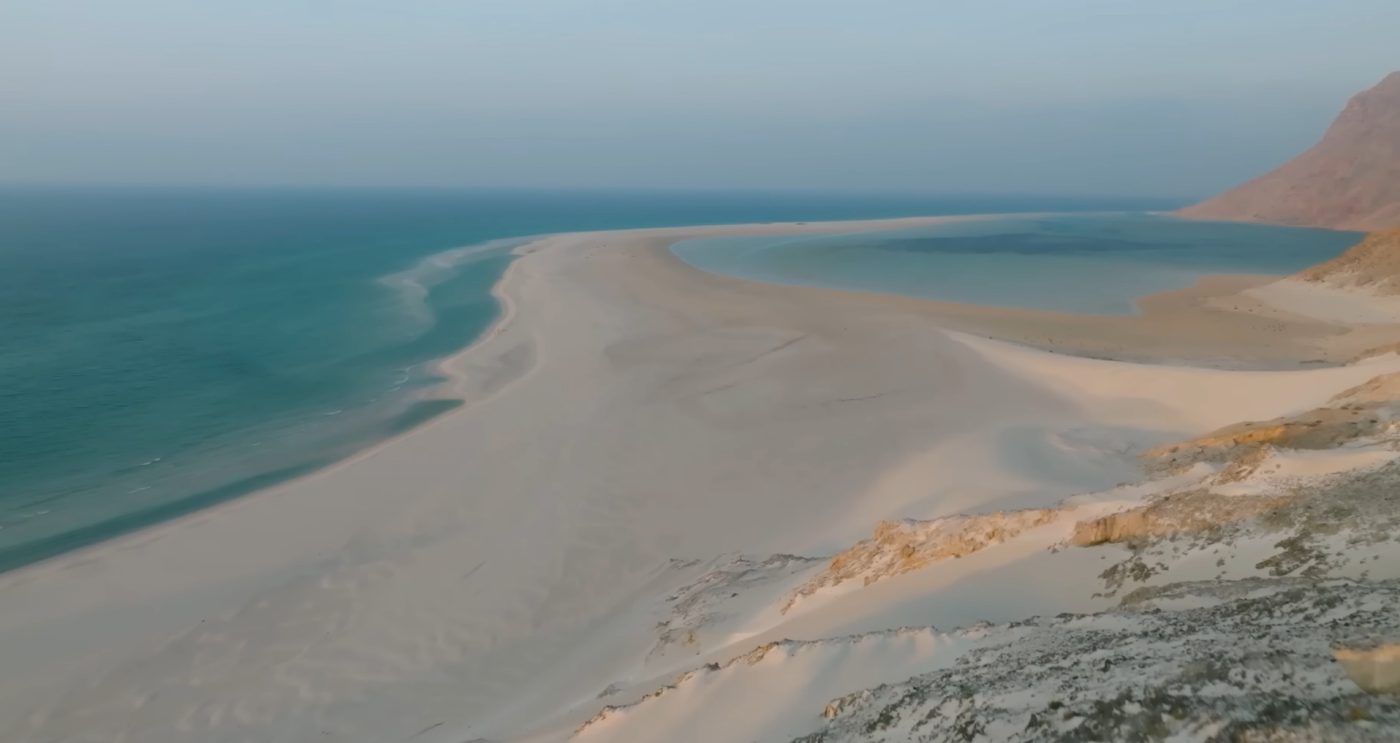
Early morning and late afternoon are usually the most atmospheric times. Midday can be harsh, especially later in the season.
Shoab Beach
Shoab Beach is best planned outside the summer wind period. The experience depends heavily on sea conditions, especially if your itinerary involves a boat approach or coastal movement. November to April is the safer general window, with December to March again offering the strongest balance.
Diksam Plateau and Firmihin Forest
Diksam Plateau and Firmihin Forest are best in the cooler part of the season. December to March is ideal for most travelers. This is where Socotra’s alien reputation starts making sense: dry plateaus, deep valleys and Dragon Blood Trees standing in open space like they belong to a different botanical era.
If these landscapes are the reason you are visiting Socotra, do not choose the hottest shoulder months unless you are comfortable with exposed conditions.
Homhil
Homhil works especially well from December to March. The area combines elevated views, endemic plants and walking opportunities, so cooler weather makes a real difference. In hotter months, the same walk can feel far more demanding.
Arher Dunes and Erhur Natural Pool
Arher Dunes are among the most dramatic landscapes on Socotra: a huge wall of sand rising near the sea. The best time is during the main travel season, especially December to March, when conditions are usually easier for camping, sunset viewing and optional dune climbs.
Erhur Natural Pool can work well as part of the eastern route, especially when combined with Arher and Ras Erissel. In warmer months, a natural pool stop can feel especially welcome, but the wider route still depends on wind and heat.
Hoq Cave
Hoq Cave is better in the cooler months. The approach can be physically demanding, and heat makes it harder. December to February is the cleanest recommendation, with March still workable for many travelers.
Wadi Kalisan, Wadi Ayhft and Dirhur Canyon
Wadi Kalisan, Wadi Ayhft and Dirhur Canyon give a different side of Socotra: inland valleys, canyon-like scenery, shade, water and rougher natural textures. These places are good additions to a main-season itinerary, especially from November to March.
How timing affects Socotra’s main landscapes
Diksam Plateau and Firmihin
Best in the cooler part of the season, especially from December to March, when walking and inland driving feel more manageable.
Useful links: Diksam Plateau, Firmihin Forest
Detwah Lagoon and Qalansiyah
Strong choices during the main travel season, with wide coastal scenery, pale sand and some of the island’s most recognizable views.
Useful links: Detwah Lagoon, Qalansiyah
Arher and Erhur
Best visited outside the harshest wind period. The dunes, coast and natural pool work especially well as part of an eastern route.
Useful links: Arher Dunes, Erhur Natural Pool
Homhil and the inland wadis
Cooler months make walking, viewpoints and natural pools easier to enjoy without turning the day into a heat-management exercise.
Useful links: Homhil, Wadi Kalisan, Wadi Ayhft
Best Time for Beaches, Snorkeling and Coastal Routes
The best time for Socotra’s beaches and coastal routes is usually October to April, with November to March offering the best balance for most travelers. April can be good too, especially if you want warmer beach conditions, but inland heat becomes more noticeable.
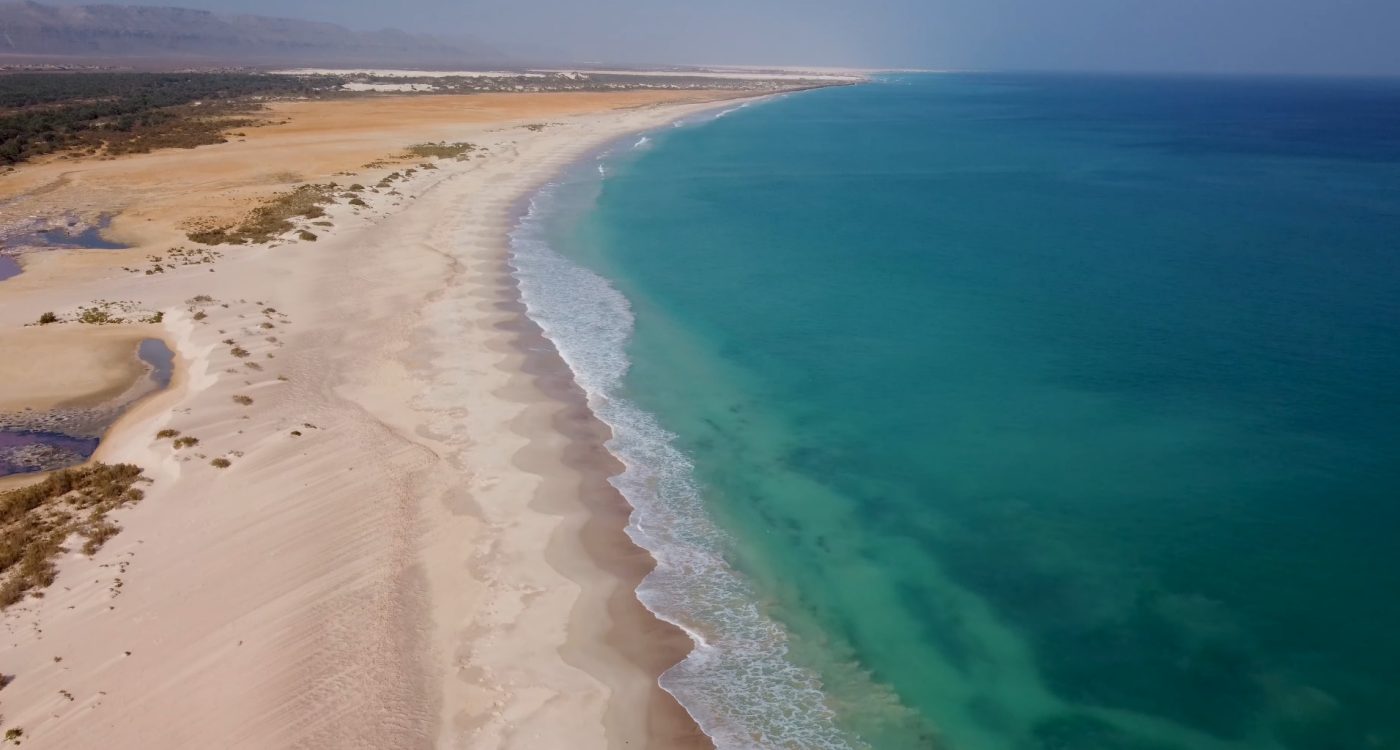
For beach-focused routes, the strongest places to include are Detwah Lagoon, Shoab Beach, Dihamri, Delisha Beach, Aomak Beach, Qaria Lagoon and Nuged Beach.
The main thing to remember is that coastal comfort is not only about sunshine. Wind and sea state matter. A beach that looks perfect in a photo may feel very different during the wrong season.
Best Time for Hiking, Caves and Inland Landscapes
For hiking, caves and inland landscapes, choose December to February if you want the easiest conditions. March is also very good, but warmer. April is possible, but less comfortable for exposed routes.
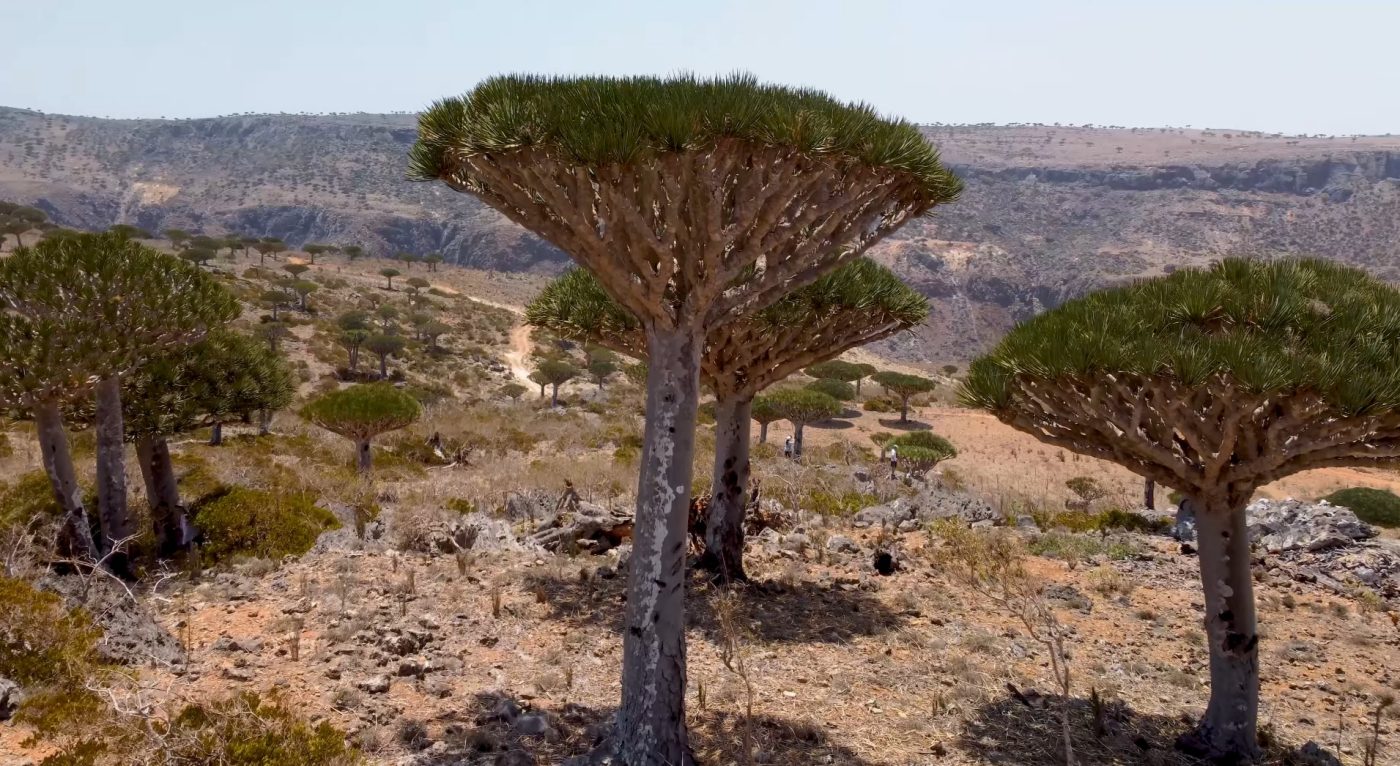
If your trip includes more active inland days, plan around places such as Hoq Cave, Skand Peak, Diksam Plateau, Homhil and Wadi Ayhft. These places reward slower travel, early starts and sensible pacing.
Best Time for Dragon Blood Trees, Bottle Trees and Endemic Plants
Socotra’s plant life is one of the main reasons to visit the island. The landscape is not just scenic; it is biologically strange. The Dragon Blood Tree gives the highlands their iconic silhouette, while the Bottle Tree and Cucumber Tree add to the island’s surreal botanical character.
For plant-focused travel, February and March are especially strong. December and January are excellent too, especially if comfort matters more than peak visual drama. The best route usually includes Firmihin Forest, Diksam Plateau and Homhil.
Flights, Tours and Why the Best Season Can Still Be Complicated
The best weather month is not always the best practical month. Socotra is a remote island in Yemen, and travel logistics can change. Flights may be limited, routes may shift, and tour operations can depend on factors outside the weather.
This is why old information about Socotra flights should be treated carefully. A route that worked one season may not be the route used the next season. Before booking, confirm the current flight situation, visa process, tour structure, insurance requirements and safety context.
Weather is only one part of the decision. For the risk and planning side, see our full guide: Is It Safe to Travel to Socotra?
What to Pack for Socotra by Season
Packing for Socotra depends on the month. The island is warm, but that does not mean you only need beach clothes. Most trips include camping, exposed sun, rough roads, limited electricity and sometimes cooler nights in elevated areas.
| Season | What matters most | Useful items |
|---|---|---|
| December to February | Cooler nights, camping, inland routes | Light fleece, wind layer, headlamp, power bank |
| March to April | Stronger sun, warmer days, beach time | Sun hoodie, reef-safe sunscreen, sandals, dry bag |
| October to November | Early-season flexibility | Light rain shell, breathable clothing, sturdy shoes |
| May | Heat and transition toward windier conditions | Extra hydration, electrolytes, sun protection |
Suggested Socotra Route by Season
How to shape a Socotra route by season
Classic full-island route
The best period for a balanced route combining Diksam, Firmihin, Homhil, Detwah, Arher, Hoq Cave and selected beaches.
Early-season route
Good for travelers who want to visit before peak season, with flexible planning around coastal and inland conditions.
Warmer coastal-focused route
Better for travelers who tolerate heat and want more beach time, but less ideal for demanding hikes.
Usually not recommended
Stronger winds and rougher sea conditions make this a poor choice for the standard Socotra experience.
Final Verdict: What Is the Best Month to Visit Socotra?
If you want the safest weather choice for a first trip, choose February or March. If you prefer cooler hiking and camping conditions, January and February are stronger. If photography and endemic plants are your priority, March is hard to beat. If you want warmer beach weather, April can work well, though it is already hotter.
For most travelers, the best overall window is December to March. October, November and April can also work, especially for flexible travelers. May is borderline. June to September is usually the wrong season for a classic Socotra trip because wind and sea conditions can make the island much harder to enjoy.
The simplest answer is this: visit Socotra when the weather, wind, sea, flights, safety situation and your route all line up. On this island, good timing is not a detail. It shapes the entire trip.
FAQ About the Best Time to Visit Socotra
What is the best month to visit Socotra?
For most travelers, February or March is the best single-month choice. January is better for cooler hiking, while April can suit travelers who want warmer coastal conditions.
What is the main travel season in Socotra?
The main travel season is usually October to April, with December to March offering the strongest overall conditions.
Can you visit Socotra in summer?
Summer is usually not recommended for a classic Socotra trip because June to September is associated with stronger monsoon winds and rougher sea conditions.
When is the monsoon season in Socotra?
The difficult wind season is generally associated with the summer months, especially June to September.
Is March the best time to visit Socotra?
March is one of the best months, especially for photography and endemic plants, but February may be better for cooler comfort and April may suit warmer beach-focused travel.
What is the best time to visit Socotra for hiking?
December to February is usually the strongest period for hiking because inland routes feel less hot and more manageable.
What is the best time to visit Socotra for beaches?
October to April is usually the best beach season, with November to March offering the most balanced conditions for many travelers.
What is the worst time to visit Socotra?
June to September is generally the worst period for a standard Socotra itinerary because stronger winds and rougher seas can affect beaches, boats, camping and overland comfort.
Is April a good time to visit Socotra?
April can be a good time to visit Socotra, especially for warmer coastal conditions. It is less ideal for travelers who dislike heat or want the easiest hiking weather.
Should I check safety before booking Socotra?
Yes. Weather is only one part of planning. Always check current travel advisories, tour logistics and insurance before booking a trip to Socotra.