

From the northern coast of Socotra, the terrain starts folding inward in quieter layers. Roads leave the shoreline, the air shifts a little, and the land gradually drops into narrow valleys where seasonal water has worked on the rock for ages. Wadi Kalisan lies inside one of these inland cuts, forming a small but distinctive canyon landscape on the island.
Compared with the open coastal plains nearby, the valley feels more enclosed and more textured. Rocky slopes rise around the wadi floor, scattered vegetation appears where moisture lingers, and the whole place carries a very different mood from the beaches, lagoons and reef stops of the north coast.
In most Socotra itineraries, Wadi Kalisan appears as part of a north coast route that links inland valleys with nearby coastal stops. Travelers often reach it after visiting Wadi Ayhft, continue toward the protected natural area of Homhil, or loop back toward Hadibou.
Quick Overview
Wadi Kalisan at a Glance
A canyon valley on Socotra known for rocky terrain, seasonal pools and quiet inland scenery.
North coast interior
Wadi valley and canyon
1–2 hours
Walking, canyon scenery, small pools
October to April
What This Place Is Actually Like
Wadi Kalisan feels quieter and smaller in scale than some of Socotra’s better-known valleys, but that is part of what makes it work. The canyon floor winds between rocky slopes where the terrain shifts between gravel, sand, worn stone and uneven patches shaped by older water flow. In some sections the valley tightens a little, and that slight narrowing creates a sense of enclosure that you rarely get along the island’s broader coastline.
Depending on rainfall and season, small pools may collect along the valley floor. They are usually shallow, not some dramatic turquoise spectacle, but they change the feeling of the landscape. A little water in a dry rocky valley does that. It pulls in vegetation, softens the scene, sometimes attracts birds or small animals, and makes the place feel less static.
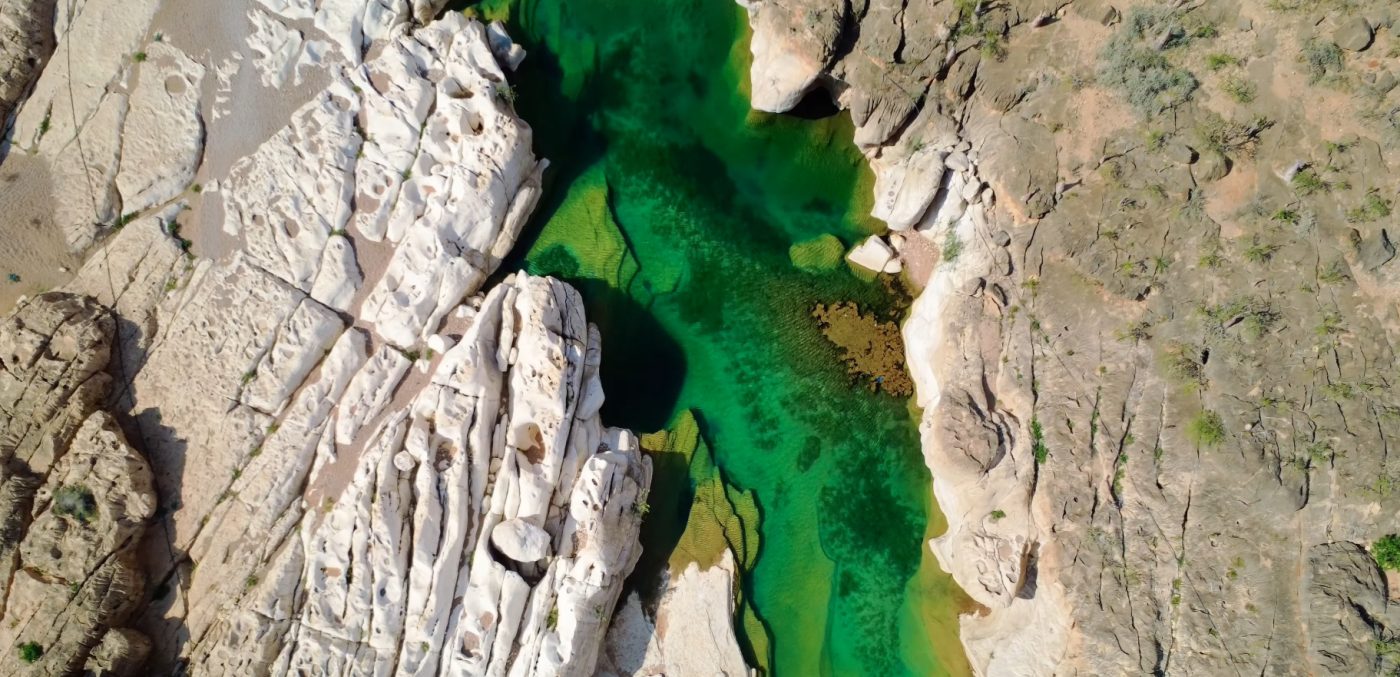
Even when the pools are absent, their traces remain in the rock. Smooth channels, shallow basins, rounded edges, pale mineral marks. You can still read the water history in the terrain if you look properly.
Walking through the valley is generally relaxed rather than demanding. The ground is natural and uneven in places, sure, but the route does not usually turn into a serious hike. That makes Wadi Kalisan a good inland stop for travelers who want canyon scenery and wadi atmosphere without committing to something long, steep or exhausting.
How Wadi Kalisan Fits Into a Socotra Route
Wadi Kalisan is usually visited as a short inland detour while exploring the north coast of Socotra. Because several valleys and contrasting landscapes sit relatively close together in this region, it is common to combine more than one wadi or inland stop in the same day.
That is one reason the place works well in a route. It adds inland texture without forcing the itinerary to slow down too much. A day made only of coastal stops can start feeling repetitive. A valley like this breaks that pattern.
The combination of wadis, rocky interior terrain, lagoons, reef coast and mountain routes is what makes northern Socotra more interesting than it first appears on a simple map.
Route Context
Typical Route Logic
Previous Stop
Many travelers reach Wadi Kalisan after exploring nearby valleys such as Wadi Ayhft.
Main Experience Here
Visitors usually walk through sections of the canyon, observe the rocky terrain and, depending on conditions, see small water pools along the valley floor.
The Landscape Around Wadi Kalisan
The valleys of northern Socotra formed over long stretches of time as seasonal water carved channels through the island’s rocky interior. These wadis stay dry for much of the year, but during periods of rainfall water runs through them, shaping the canyon walls, the gravel beds and the shallow basins along the floor.
The slopes around Wadi Kalisan are usually made up of limestone and weathered rock, which gives the landscape a rougher, more fractured feel than the softer coastal plains nearby. Vegetation tends to gather where moisture lasts longer, especially near the floor of the valley or in slight depressions where water can linger.
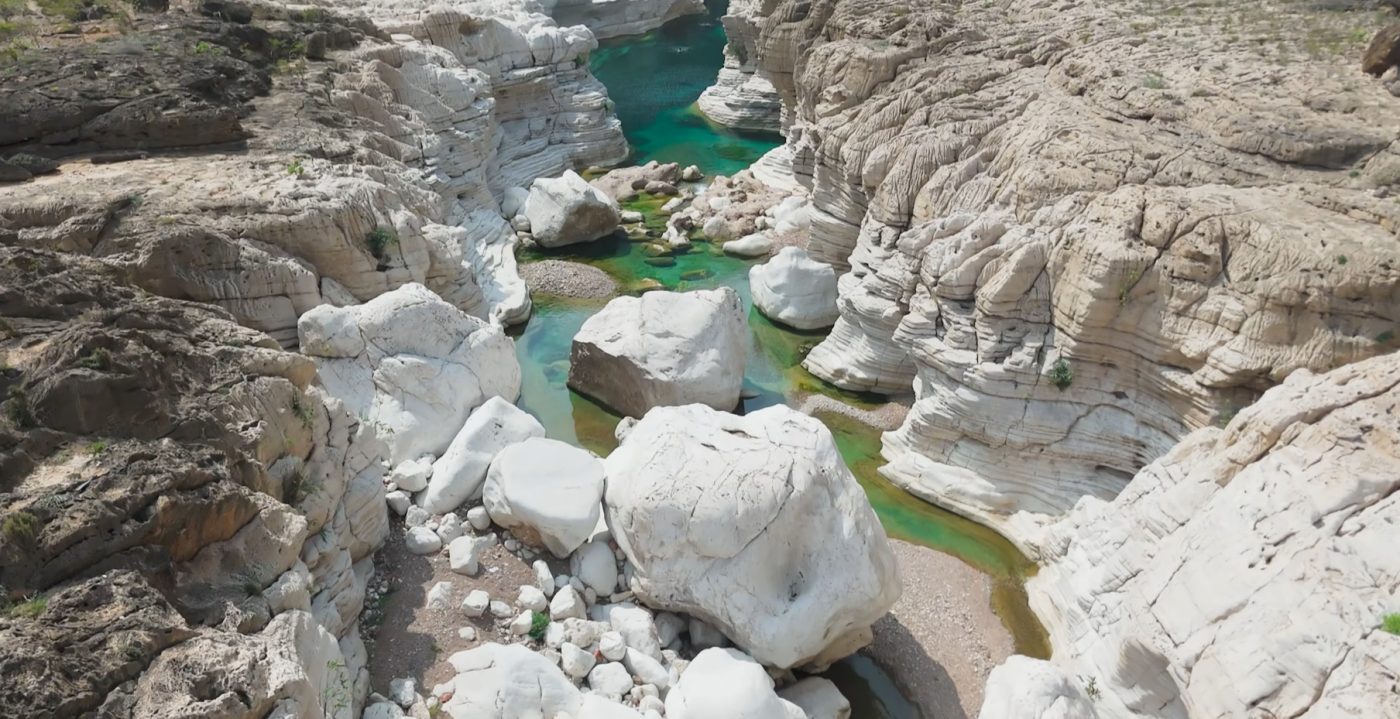
Nearby landscapes help explain the broader setting. Wadi Ayhft shows similar geological processes on a different scale, while the higher protected terrain of Homhil reveals how these valleys connect with the island’s more elevated plateaus and mountain environments.
That connection matters. Wadi Kalisan is not just a random crack in the land. It belongs to a wider north coast interior system where water, rock and elevation keep reshaping the geography in quieter ways than the beaches do.
Travel Conditions and Practical Reality
Although Wadi Kalisan is fairly easy to explore, it still comes with natural terrain rather than maintained paths or built visitor infrastructure.
Travel Conditions
What to Expect
Best Time to Visit
The cooler months between October and April usually provide the most comfortable conditions for exploring Wadi Kalisan. Temperatures are milder, and walking through the canyon feels far more manageable.
During hotter periods, early morning visits are usually better. Later in the day, even a relatively small valley can start trapping heat in an annoying way.
And honestly, softer light usually suits this kind of landscape more anyway. The rock textures show better. The shapes of the canyon walls read more clearly. Everything feels less flat.
How Long to Spend Here
Most travelers spend around one to two hours exploring Wadi Kalisan. That is generally enough time to walk through sections of the canyon, take in the landscape and let the inland mood register without rushing through it.
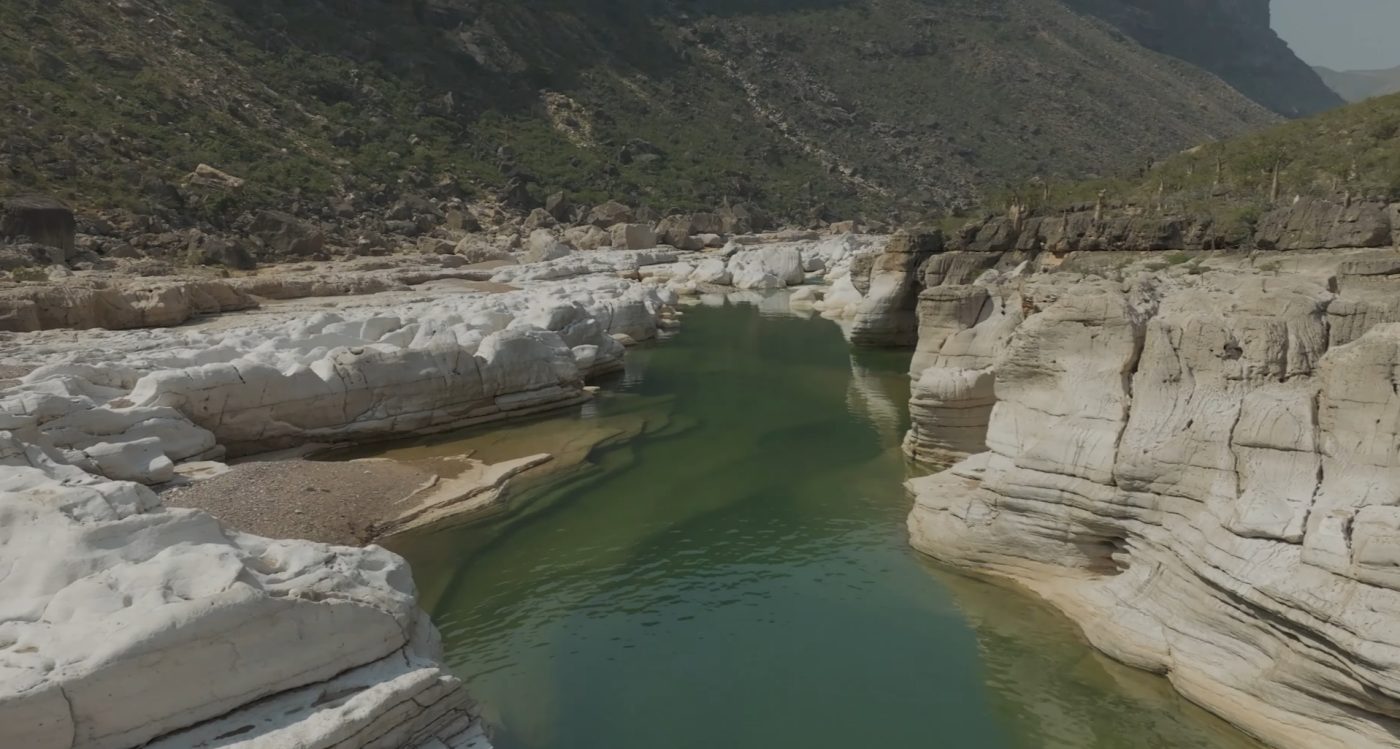
Because the valley sits within a cluster of nearby natural sites, it is often paired with stops such as Wadi Ayhft, Homhil or the north coast hub of Hadibou. It works well that way — one piece of a more varied northern route rather than a full standalone destination.
Practical Travel Facts
| Location | North coast interior of Socotra |
|---|---|
| Landscape type | Wadi canyon |
| Main attraction | Canyon scenery and seasonal water pools |
| Typical visit length | 1–2 hours |
| Nearby destinations | Wadi Ayhft, Homhil, Hadibou |
| Travel style | Part of north coast route |
Final Thoughts on Wadi Kalisan
Wadi Kalisan offers a quieter, more intimate canyon experience than some of the island’s larger valleys. The mix of rocky terrain, occasional pools and sheltered scenery reveals another side of Socotra — less coastal, less exposed, more folded into the island’s interior.
Together with nearby places such as Wadi Ayhft, Homhil and the coastal hub of Hadibou, the valley forms part of a route that shows just how varied the north coast region can be once you leave the shoreline and follow the land inland.