

Drive inland from Socotra’s north coast and the landscape shifts faster than you expect. The dry coastal ground begins to rise, the terrain folds into shallow ridges, and the road slips into a valley system that feels cooler, quieter and more sheltered than the exposed shoreline behind it. Wadi Ayhft sits inside that transition zone and forms one of the island’s most distinctive canyon landscapes.
The valley cuts through rocky slopes and narrow passages where vegetation appears much more often than it does on the surrounding plains. Small streams and seasonal pools can gather along the wadi floor, creating pockets of green that stand out hard against the otherwise dry terrain. That contrast is what catches people first, I think. Socotra can feel harsh and sun-blasted, then suddenly you are in a valley with shade, trees and a completely different mood.
In most Socotra itineraries, Wadi Ayhft appears as part of the north coast route. Travelers often reach it after coastal stops such as Qaria Lagoon or the reef area of Dihamri. It also connects naturally with inland places like Wadi Kalisan, which is why the two valleys are often paired in the same day.
Wadi Ayhft at a Glance
A canyon valley on Socotra’s north coast known for rocky scenery, seasonal water and relatively lush vegetation.
North coast interior
Wadi, canyon valley, rocky slopes
1–2 hours
Walking, canyon scenery, vegetation
October to April
What This Place Is Actually Like
Wadi Ayhft feels completely different from Socotra’s open beaches and broad coastal plains. Instead of long horizons and sea views, the valley closes in around you. Rocky slopes rise on both sides while the wadi floor bends gently through the canyon, pulling the eye forward rather than outward.
The vegetation is one of the first things people notice. Trees and shrubs grow along the valley floor where water sometimes gathers after rainfall. Even when the water is limited, the greenery alone changes the atmosphere. The place feels cooler. Quieter too. Less exposed.
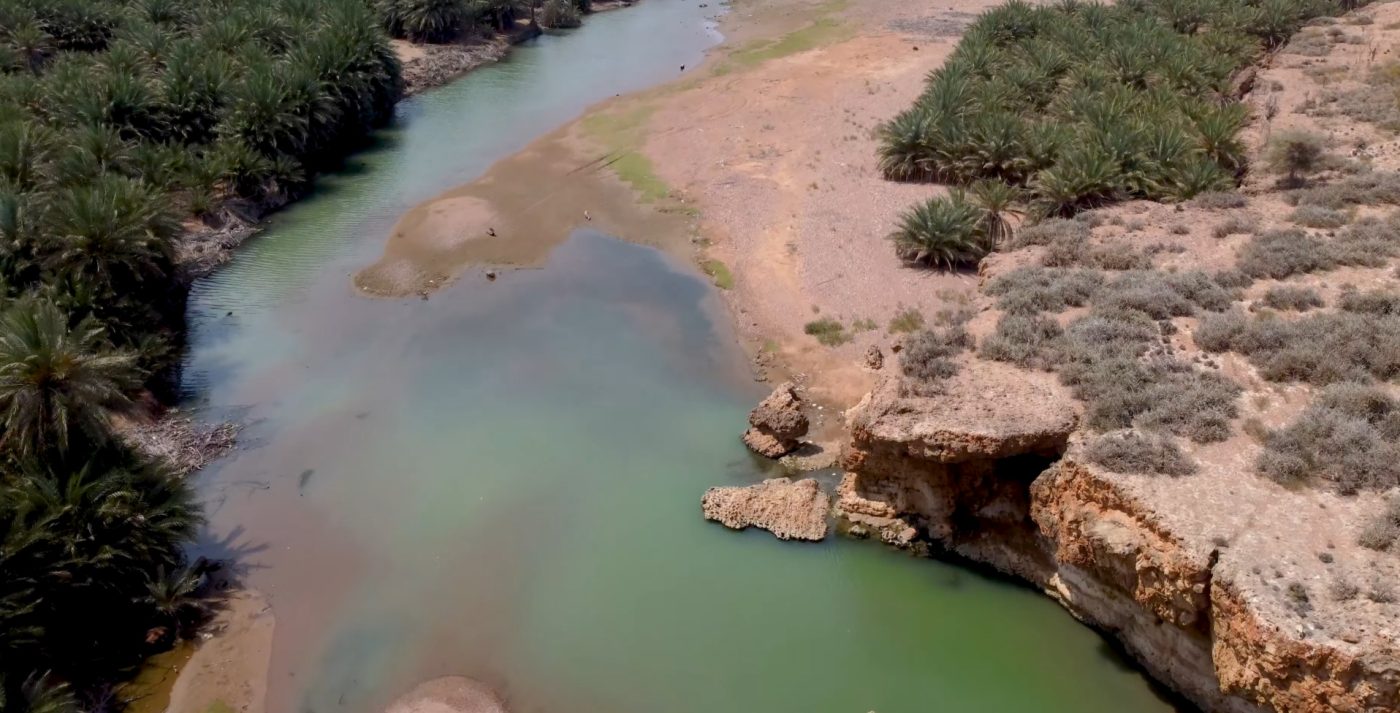
Walking through the canyon reveals a mix of surfaces — rock, sand, patches of uneven ground, and sometimes shallow pools depending on the season. It is not a technical hike, not really, but the terrain changes enough to keep the walk interesting. You do not just stroll across one flat surface and call it done.
Why Travelers Stop Here
Wadi Ayhft stands out because it introduces a greener, more sheltered environment into Socotra’s mostly dry geography. Valleys like this create small micro-ecosystems where plants and wildlife can hold on in ways that are not always obvious from the coast.
Why This Stop Matters
Canyon landscape
The valley cuts through rocky slopes and creates a canyon setting that feels very different from the shoreline.
Vegetation and shade
Compared with the surrounding coast, the wadi supports noticeably more plant life and occasional natural shade.
Walking routes
Visitors can explore sections of the valley on foot and experience the terrain at ground level rather than from a viewpoint.
North coast contrast
The canyon offers a strong contrast to nearby beaches, lagoons and marine landscapes.
How Wadi Ayhft Fits Into a Socotra Route
Wadi Ayhft often works as an inland stop while exploring the north coast of Socotra. Because it sits relatively close to the coastal road, it is easy to combine with several nearby places without turning the day into a logistical mess.
That mix of coast and canyon helps travelers understand how wildly varied Socotra can feel over a short distance. One hour you are near the sea, the next you are inside a rocky green valley. The island does that a lot.
Typical Route Logic
Previous Stop
Many travelers arrive at the valley after visiting the north coast near Qaria Lagoon or the coral reef area of Dihamri.
Main Experience Here
Most visitors explore sections of the wadi on foot, observing the canyon walls, vegetation and seasonal water features.
Next Stop
After Wadi Ayhft, many routes continue toward Wadi Kalisan or return along the coast toward Hadibu.
The Landscape Around Wadi Ayhft
Wadis are a major part of Socotra’s geography. These valleys form where seasonal water flow carves channels through the island’s rocky terrain over long periods of time. The result is a canyon-like environment where erosion, water and shelter come together to create something noticeably different from the surrounding coast.
Around Wadi Ayhft you get rocky slopes, clusters of vegetation and occasional pools depending on rainfall. That combination makes the valley one of the more diverse landscapes on the north side of the island.
Nearby valleys like Wadi Kalisan reflect similar geological processes, which is why the two locations often appear together in the same travel route. They are related landscapes, but not identical. Ayhft feels broader in some sections, more enclosed in others.
Travel Conditions and Practical Reality
Wadi Ayhft is not especially difficult to explore, but it does demand a little more attention than flat coastal stops. The terrain stays natural, uneven and sometimes unpredictable after rain.
What to Expect
Best Time to Visit
The cooler months from October to April usually bring the best conditions for exploring Wadi Ayhft. Temperatures are more comfortable, and walking through the valley becomes easier and a lot more pleasant.
During hotter periods the canyon can still be visited, but early morning often works best. The air feels fresher then, and the sheltered valley atmosphere is easier to enjoy before the heat builds.
How Long to Spend Here
Most visitors spend around one to two hours in Wadi Ayhft. That gives enough time to walk through sections of the valley and get a real sense of the canyon environment rather than just stopping for a quick look.
The visit is usually combined with nearby places such as Qaria Lagoon, Dihamri or the neighboring valley of Wadi Kalisan.
Practical Travel Facts
| Location | North coast interior of Socotra |
|---|---|
| Landscape type | Wadi canyon |
| Main attraction | Rocky canyon scenery and vegetation |
| Typical visit length | 1–2 hours |
| Nearby destinations | Qaria Lagoon, Wadi Kalisan, Dihamri |
| Travel style | Part of north coast route |
Final Thoughts on Wadi Ayhft
Wadi Ayhft reveals a greener, more sheltered side of Socotra that many people do not expect at first. The canyon landscape contrasts sharply with the island’s open beaches, reef stops and dune systems, and that contrast is exactly what makes the place memorable.
Together with nearby locations such as Qaria Lagoon, Dihamri and Wadi Kalisan, the valley forms an important part of the north coast route and shows just how varied Socotra can be once you leave the shoreline behind.