

Along Socotra’s northern coast, the shoreline begins to shift almost without warning. The broad emptiness of the south gives way to something more broken and varied. Rocky points reach into the sea, small bays interrupt the coastline, and the water often looks brighter, clearer, almost glassy when the light hits it right. Dihamri sits within this stretch and feels less like a beach stop, more like one of the island’s most important marine zones.
Dihamri Marine Reserve is known first of all for its coral reefs. The water here is unusually clear, and the seabed drops away gently from shore where reef structures support a surprising range of marine life. For travelers moving around Socotra’s coast, it is one of the simplest places to experience underwater ecosystems without needing a long boat trip or some elaborate setup.
In most Socotra itineraries, Dihamri appears as part of the north coast route. Travelers usually reach it after passing through Hadibu, the island’s main settlement, and often pair the stop with nearby coastal places such as Qaria Lagoon or inland sites like Hoq Cave.
Quick Overview
Dihamri at a Glance
A protected marine area on Socotra’s north coast known for coral reefs, snorkeling and diverse marine life.
North coast of Socotra
Marine reserve, coral reef, rocky shoreline
1–2 hours
Snorkeling, marine life, coastal scenery
October to May
What This Place Is Actually Like
From land, Dihamri can look almost understated. The shoreline mixes rock with patches of sand, and now and then you see small fishing boats pulled up near the waterline. Nothing about the view immediately screams that one of Socotra’s richest underwater environments is right there. But that is the thing about Dihamri — the real drama sits below the surface.
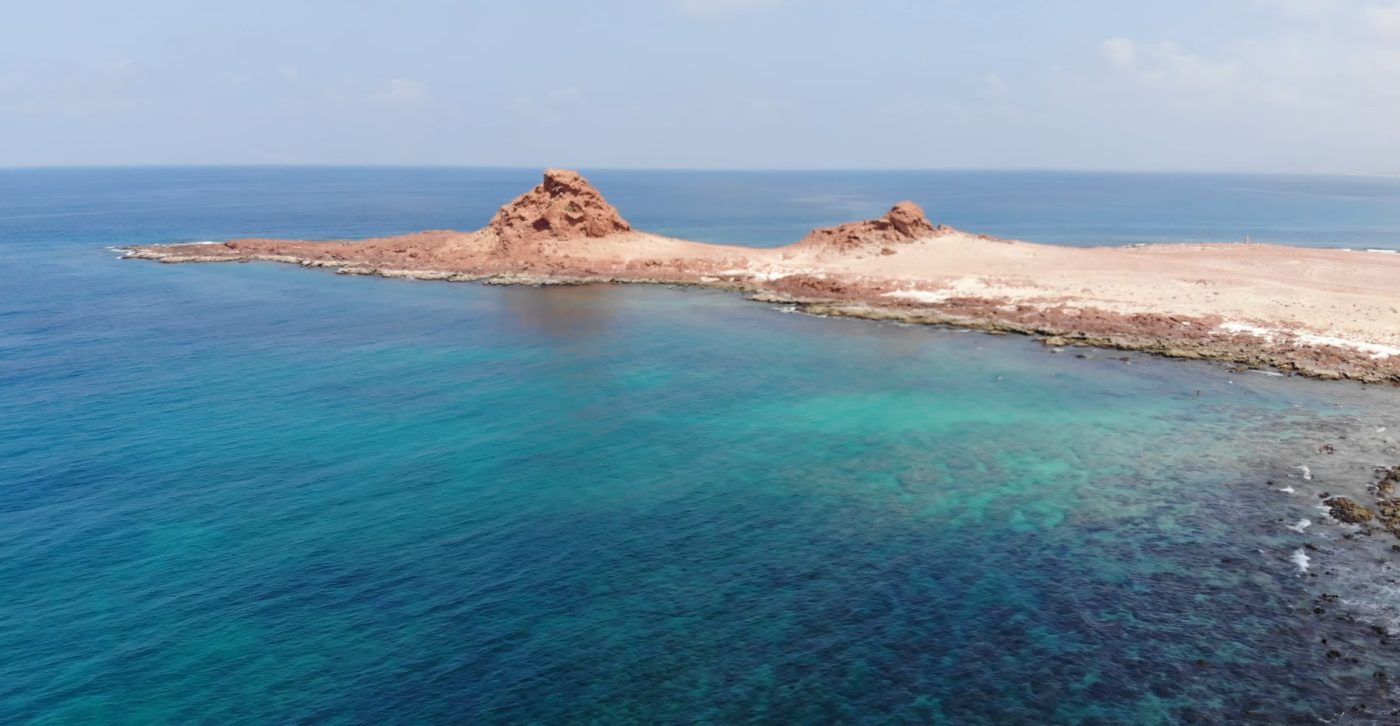
Just a short distance from shore, coral formations spread across the seabed and create one of the island’s most important marine habitats. On calm days the water turns so clear that you can already sense the reef patterns from above. Once sunlight reaches the shallows, the underwater world starts showing more color than the coastline ever hints at.
Small reef fish move through the coral structures, darting in and out of gaps, while larger species sometimes pass through the deeper blue beyond the reef edge. Even people who never get into the water often end up standing there longer than expected, just watching the sea change shade — turquoise, deep blue, then darker patches where coral sits below the surface.
Why Travelers Stop Here
Dihamri matters because it adds a completely different layer to Socotra. So much of the island is talked about through dragon blood trees, dunes, cliffs and strange mountain plateaus. Here, the focus shifts underwater.
Highlights
Why This Stop Matters
Coral reef ecosystem
The reserve protects coral formations that support a wide range of fish and other marine species.
Snorkeling opportunities
Shallow reef areas make it easier to observe marine life relatively close to shore.
Clear water conditions
Visibility is often excellent, especially during calm sea conditions.
North coast scenery
The surrounding coastline combines rocky ground, open sea views and a bright, exposed coastal setting.
How Dihamri Fits Into a Socotra Route
Dihamri is one of the easiest marine environments to reach on Socotra’s north coast. Because it sits relatively close to the island’s main town, many travelers include it as a short stop while moving between other parts of the island.
It also links naturally with nearby places that shape the wider north coast route, so the stop rarely feels isolated from the rest of the journey.
Route Context
Typical Route Logic
Previous Stop
Many travelers reach Dihamri after leaving Hadibu, the island’s main settlement and practical base for north coast travel.
Main Experience Here
Most visitors spend time snorkeling, observing the reef from shore, or walking around the surrounding coastline.
Next Stop
After Dihamri, routes often continue toward inland places like Hoq Cave or nearby coastal environments such as Qaria Lagoon.
The Landscape Around Dihamri
The north coast of Socotra combines rocky shoreline, sandy inlets and marine ecosystems in a way the south coast usually does not. In this part of the island, the mountains gradually descend toward the sea, creating more varied coastal forms where reefs can develop close to shore.
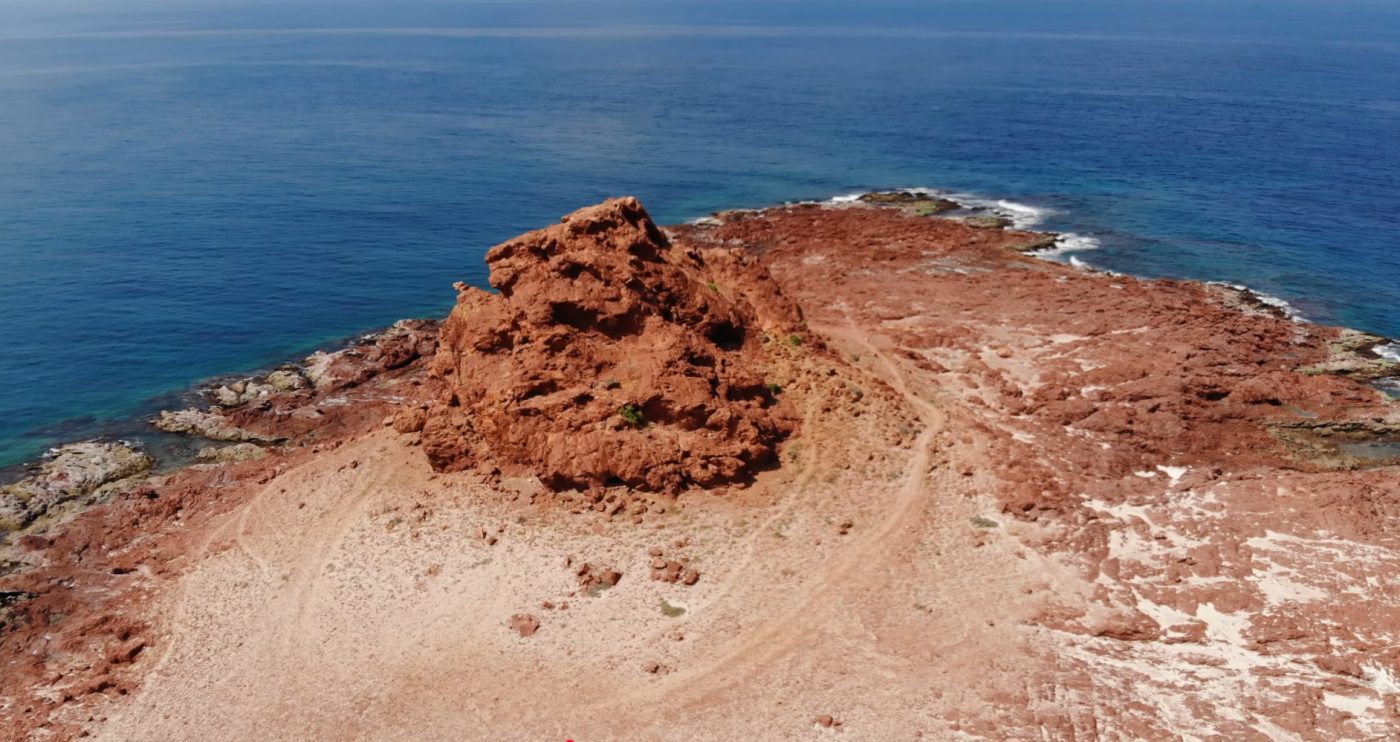
Those conditions support a complex underwater habitat. Coral formations provide shelter for fish, crustaceans and other marine organisms that belong to the wider ecological system surrounding Socotra. It is not just a pretty snorkeling stop. The reserve matters because it protects one of the island’s key marine environments.
That ecological importance is one reason Dihamri keeps appearing in broader discussions of Socotra biodiversity. The island’s uniqueness does not stop on land.
Travel Conditions and Practical Reality
Even though Dihamri is easier to reach than many natural sites on Socotra, the place still keeps a fairly raw character. It is accessible, yes, but not polished.
Travel Conditions
What to Expect
Best Time to Visit
The cooler period from October to May usually brings the best conditions for visiting Dihamri. During these months the sea is often calmer and visibility in the water tends to be better, which obviously makes a difference if snorkeling is part of the plan.
During hotter months the north coast can feel intensely warm, especially around midday. Early morning or late afternoon usually brings more comfortable temperatures and softer light along the shore.
How Long to Spend Here
Most travelers spend around one to two hours at Dihamri Marine Reserve. That usually gives enough time to explore the shoreline, observe the reef area and, for those who want to, spend some time in the water.
Because of its position along the north coast, Dihamri is commonly combined with nearby places such as Hadibu, Qaria Lagoon or inland stops like Hoq Cave.
Practical Travel Facts
| Location | North coast of Socotra Island |
|---|---|
| Landscape type | Marine reserve and coral reef |
| Main attraction | Snorkeling and coral reef ecosystem |
| Typical visit length | 1–2 hours |
| Nearby destinations | Hadibu, Qaria Lagoon, Hoq Cave |
| Travel style | Part of north coast route |
Final Thoughts on Dihamri Marine Reserve
Dihamri offers something that a lot of Socotra stops do not — a direct look into the island’s marine world. The clear water and coral reef ecosystem reveal a different side of the place, one that sits just offshore and is easy to overlook if you only think about mountains, beaches and strange trees.
Together with nearby places like Hadibu, Qaria Lagoon and Hoq Cave, the reserve forms an important part of the north coast route and helps show just how ecologically rich Socotra really is.