

Zahek does not really announce itself. The landscape changes slowly as the road moves toward Socotra’s southern coast. The ground flattens out, vegetation thins, and long pale ribbons of sand begin appearing between rocky surfaces and the sea. At first the dunes seem minor, almost incidental, like low ridges pushed into place by the wind. Then the scale starts making more sense.
Zahek Dunes run along the south coast of Socotra and form one of the island’s quieter dune landscapes. They do not hit with the same vertical drama as Arher Dunes on the northeastern side, but that is not really the point here. Zahek feels wider, emptier, more remote in a low-key way. Sand meets open sea, the shoreline stretches in long empty curves, and the whole place feels exposed to wind and distance.
In many Socotra routes, Zahek appears as part of the broader south coast journey rather than a standalone stop. Travelers reach the dunes while moving between coastal places like Nuged Beach, smaller shoreline stops such as Aomak Beach, or quieter sections of coast near Delisha Beach.
Zahek Dunes at a Glance
A remote dune landscape on Socotra’s south coast where wind-shaped sand meets a wide, empty shoreline.
South coast of Socotra
Coastal dunes and long sand beach
1–2 hours
Scenery, walking, photography
October to April
What This Place Is Actually Like
Zahek feels quiet, but not in the same way as a sheltered lagoon or some hidden cove. The dunes are not especially tall and the terrain stays fairly open, yet the wind has clearly been at work here for a long time. Lines of sand run parallel to the coast, lifting and falling in soft waves before flattening out toward the beach.
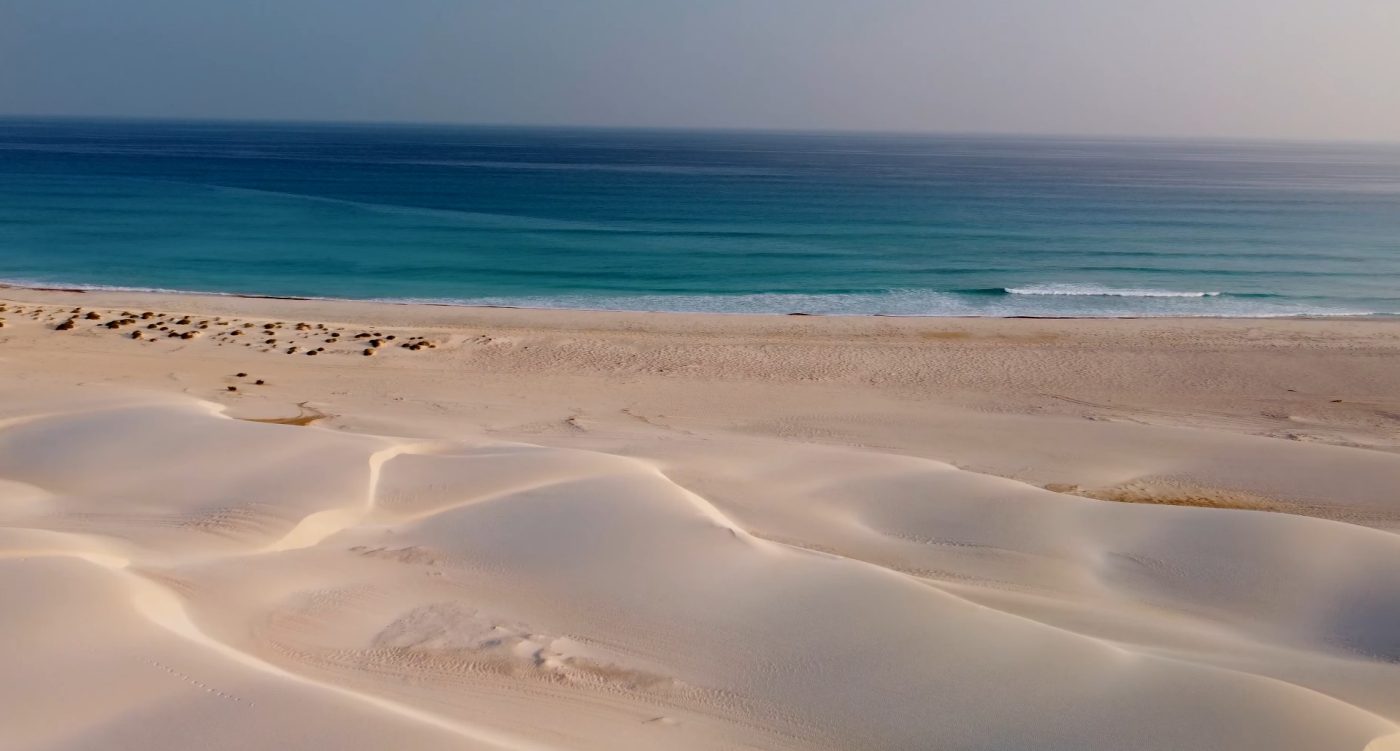
Walking through the dunes is simple, though it has more atmosphere than you might expect. Sand gives way under your feet. The soundscape stays minimal — wind, distant surf, maybe not much else. Unlike the calmer lagoon environments on the west coast, this shoreline feels fully exposed to the movement of the Arabian Sea.
That contrast between dunes and ocean is what defines Zahek. Pale sand spreads inland while darker blue water pulls the eye outward. In certain light, especially early in the morning or late in the afternoon, the separation becomes sharper and the whole coastline starts looking almost stripped down to basics: sand, sea, sky. Nothing extra.
How This Place Fits Into a Socotra Route
Zahek Dunes rarely work as a single headline destination. They fit better as one part of the wider south coast route, connecting a series of beaches and dune systems along Socotra’s southern shoreline.
Most travelers reach the area while exploring this coastal stretch between larger beach landscapes. Distances between stops are usually manageable, and the road tends to follow the general line of the shore, so Zahek combines easily with other nearby places without feeling forced into the itinerary.
Typical Route Logic
Previous Stop
Travelers often arrive at the dunes after exploring long coastal stretches such as Nuged Beach.
Main Experience Here
Most visitors walk through the dune ridges, explore the shoreline and spend some time watching how the light shifts across the sand and sea.
Next Stop
After Zahek, the route usually continues toward quieter coastal locations such as Aomak Beach or Delisha Beach.
The Landscape Around Zahek
Socotra’s south coast feels very different from the north. Instead of dramatic cliffs and tighter bays, the land opens into broad coastal plains. Wind and wave action gradually push sand inland, shaping scattered dune belts like the ones at Zahek.
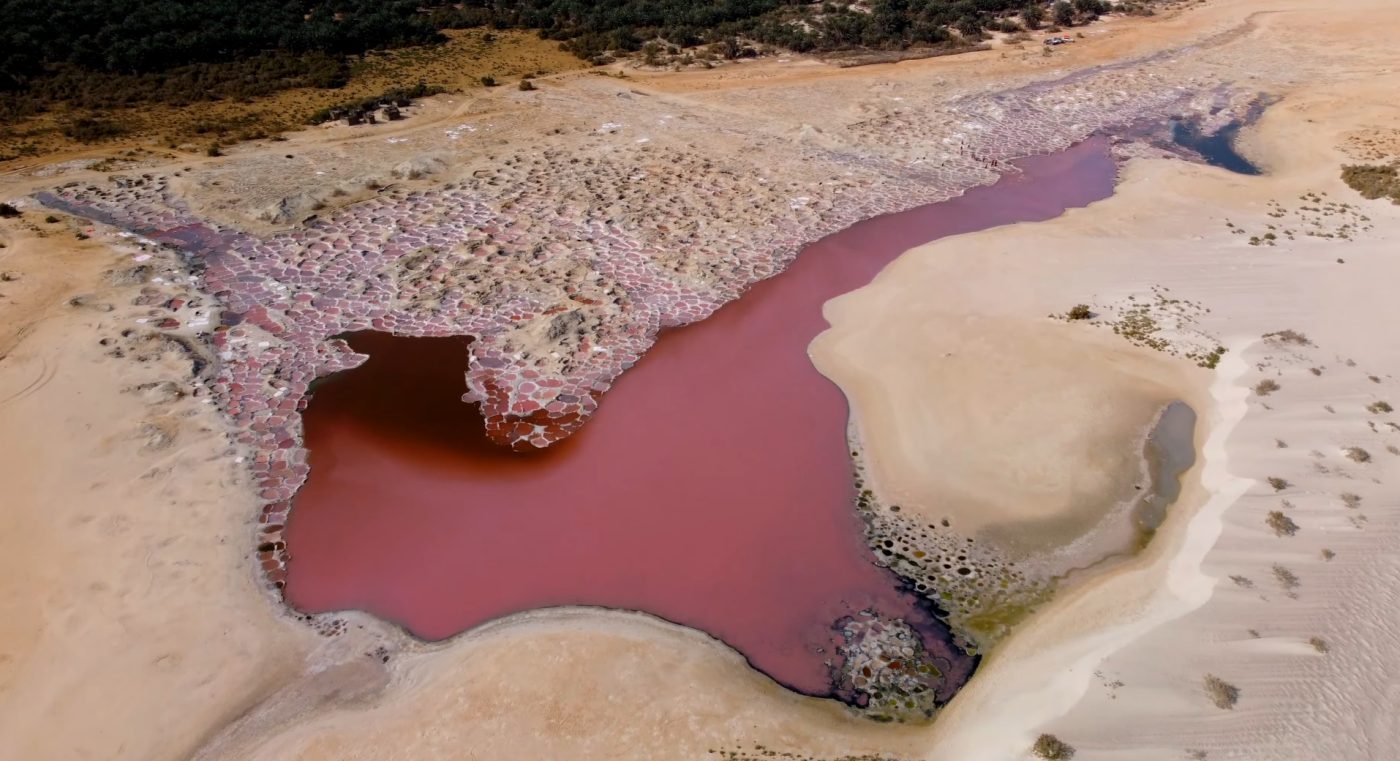
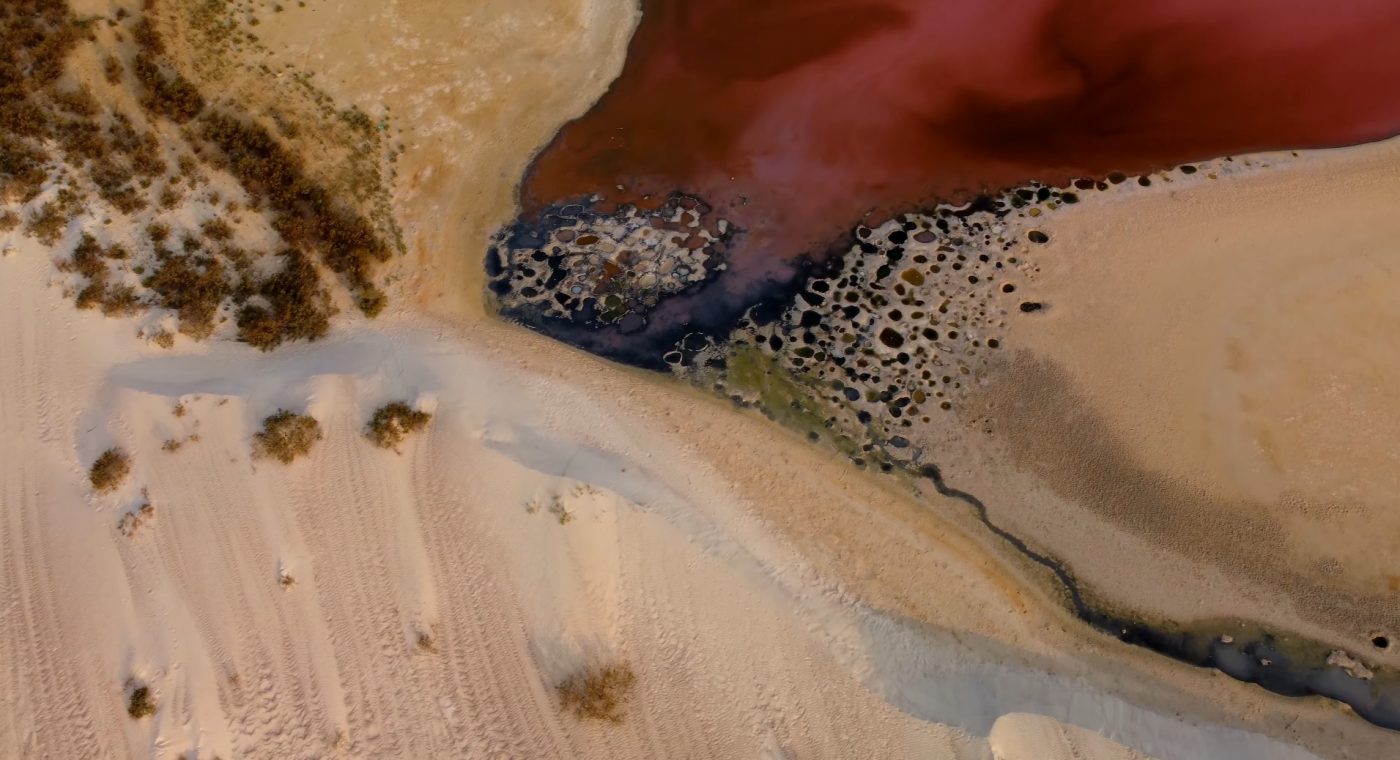
The dunes do not form one continuous wall of sand. They appear in clusters, broken by flatter coastal ground, rocky patches and harder sections of beach. That makes the whole area feel gradual rather than dramatic. You move along the shoreline and the landscape keeps changing a little at a time.
A lot of the southern beaches on Socotra still feel largely untouched, which gives the whole region a calm, expansive character. Travelers trying to understand how varied the island’s coastline really is often connect Zahek with the wider picture described in the broader overview of Socotra beaches.
Travel Conditions and Practical Reality
Like many natural places on Socotra, Zahek Dunes remain mostly undeveloped. The visit itself is straightforward and flexible, but a few practical details shape how the experience feels.
What to Expect
Those conditions are part of why the south coast stays quiet. There is very little built around the landscape, so the attention stays on the shoreline itself rather than on infrastructure.
Best Time to Visit
The most comfortable period for exploring Zahek Dunes usually falls between October and April, when temperatures across Socotra are milder and coastal travel feels easier overall. Walking through open sandy terrain is simply more pleasant during the cooler season.
During hotter parts of the year, the south coast can feel brutally exposed. Heat reflects off both sand and rock, and midday stops become much less enjoyable. Early morning or late afternoon usually work best for walking through the dunes and along the beach.
How Long to Spend Here
Most travelers spend around one to two hours at Zahek Dunes. That gives enough time to walk along the dune ridges, explore the beach and absorb the quieter atmosphere of Socotra’s southern coast.
Because the dunes sit along a route that already includes other coastal landscapes, they are often combined with nearby stops such as Nuged Beach, Aomak Beach or Delisha Beach.
Practical Travel Facts
| Location | South coast of Socotra Island |
|---|---|
| Landscape type | Coastal sand dunes |
| Main attraction | Quiet dune landscape and wide southern shoreline |
| Typical visit length | 1–2 hours |
| Nearby destinations | Nuged Beach, Aomak Beach, Delisha Beach |
| Travel style | Part of the south coast route |
Final Thoughts on Zahek Dunes
Zahek may not be the tallest dune system on Socotra, but the quiet coastal setting gives it a very specific character. Open sand, a wide horizon, constant wind — simple elements, really, yet the place stays in your head.
Within the broader south coast route, the dunes act as one of several natural stops showing how varied the island’s shoreline can be. Together with places like Nuged Beach and Aomak Beach, they form part of Socotra’s less-visited but visually striking southern coastline.