

The southern side of Socotra shows a very different face from the island’s better-known northern coast. Down here the land opens into broad coastal plains, and everything feels more spread out, more exposed, less dramatic in the obvious way but somehow more spacious because of it. Delisha Beach lies along this long southern shoreline and feels like one of the quieter, less talked-about coastal stops on the island.
At first the landscape can look almost minimal. A strip of sand meets the Arabian Sea. Dry hills and rocky ground rise slowly inland. No big cliffs, no strange geological stunt, no single landmark demanding attention. But after a few minutes that simplicity starts becoming the point. The shoreline stretches in long uninterrupted runs, and the sense of distance feels stronger here than at many of Socotra’s other beaches.
Within a Socotra itinerary, Delisha Beach usually appears as part of the south coast route. Travelers often pass through it after exploring places like Aomak Beach or the longer shoreline around Nuged Beach, while dune landscapes such as Zahek Dunes lie farther along the same coastal road. It works best in that context — not as a giant standalone attraction, but as one more piece of the broad southern coastline that gives this part of the island its mood.
Delisha Beach at a Glance
A remote south coast beach on Socotra known for its quiet shoreline, open sea views and broad coastal scenery.
South coast of Socotra
Long sandy shoreline and coastal plain
30–60 minutes
Scenery, walking, quiet coastal stop
October to April
What This Beach Is Actually Like
Delisha Beach has that quiet, wind-washed atmosphere that defines a lot of Socotra’s southern coast. The shoreline runs in long, gentle curves where waves come in steadily rather than softly. The beach is wide enough for unhurried walks, and a lot of the time the sea itself provides most of the sound. No traffic noise, no resort clutter, no feeling that anything urgent is happening nearby.
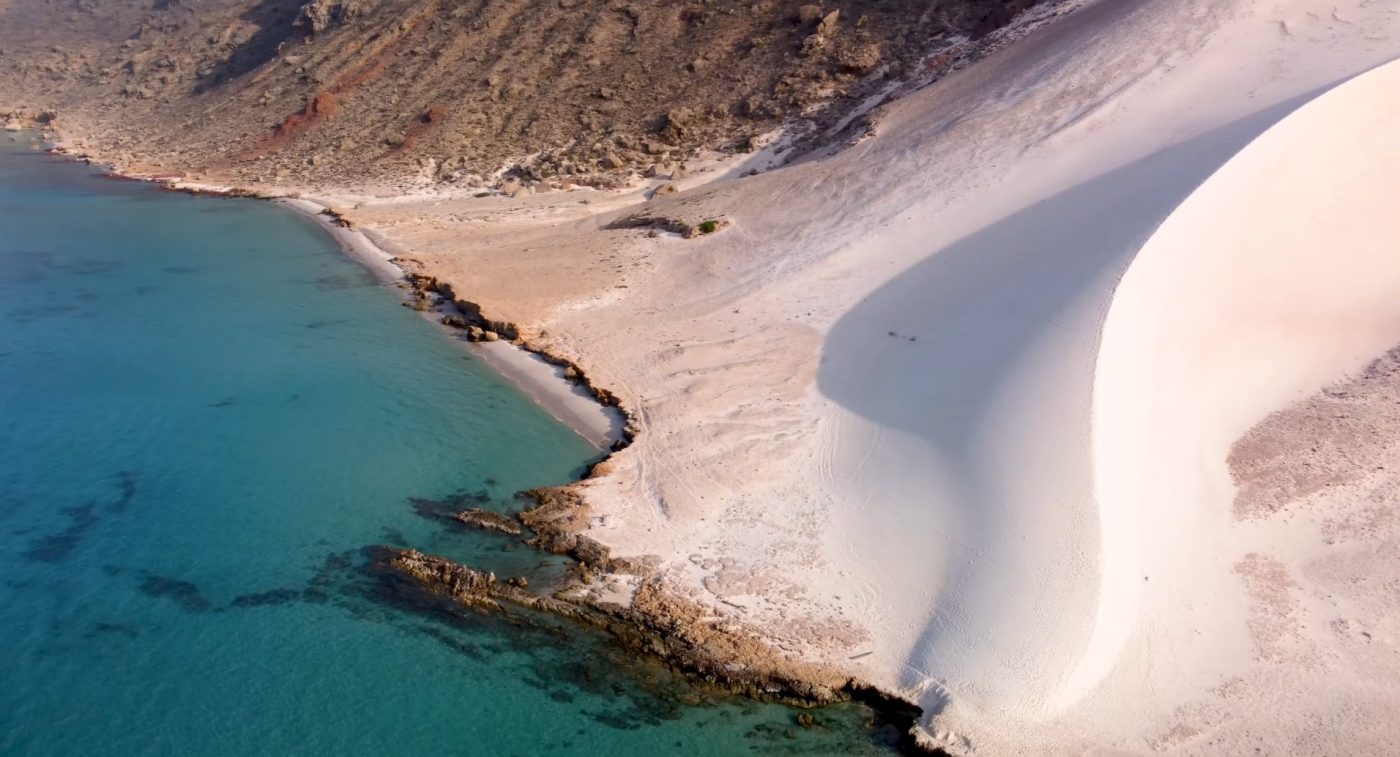
The sand changes a little from section to section. Some stretches look smooth and pale, almost uniform, while others pick up darker textures where compact sand, pebbles or small rocky patches interrupt the surface. Inland, the terrain lifts only gradually toward dry hills and open ground, which makes the whole place feel spacious in a flat, elemental kind of way.
Unlike the more visually aggressive slopes of Zahek Dunes, Delisha gets its appeal from restraint. The horizon stays open. The scenery stays quiet. The beach never tries too hard to impress you, which honestly can make it more memorable than the flashier places.
There is also a kind of stillness here that does not mean silence exactly. Wind moves. Waves keep arriving. But the landscape itself feels stripped down to basics — sand, sea, sky, dry land. Nothing extra.
How Delisha Beach Fits Into a Socotra Route
Delisha Beach is usually explored as one stop within the wider south coast route. The coastal road makes it easy to move between several beaches, dune areas and quieter shoreline segments on this side of the island.
Because the surrounding terrain stays open and relatively flat, travelers can often see long sections of the coastline while moving between stops. That changes the rhythm of the route. Instead of one dramatic arrival after another, the south coast unfolds in broader stretches. One beach flows into the next. One plain opens toward another. Delisha fits neatly into that pattern.
It is not the kind of place that needs hours to make sense. But it does help the southern coast feel complete.
Typical Route Logic
Previous Stop
Travelers often arrive from nearby coastal locations such as Aomak Beach or from the broader shoreline around Nuged Beach.
Main Experience Here
Visitors usually walk the shoreline, explore the surrounding coast and take in the quiet scenery of Socotra’s south coast.
Next Stop
After Delisha Beach, the route may continue toward dune landscapes like Zahek Dunes farther along the southern coast.
The Landscape Around Delisha
The southern coastline of Socotra consists of wide plains where the island descends gradually toward the Arabian Sea. That geography creates long beaches separated by occasional dune systems, rocky interruptions and open coastal ground that seems to run on without much resistance.
Unlike the more mountainous northern side of the island, where the terrain often rises sharply close to the sea, the south coast feels horizontal and expansive. Dry hills sit farther back inland. The shoreline continues in long segments with very little interruption. The whole setting breathes differently.
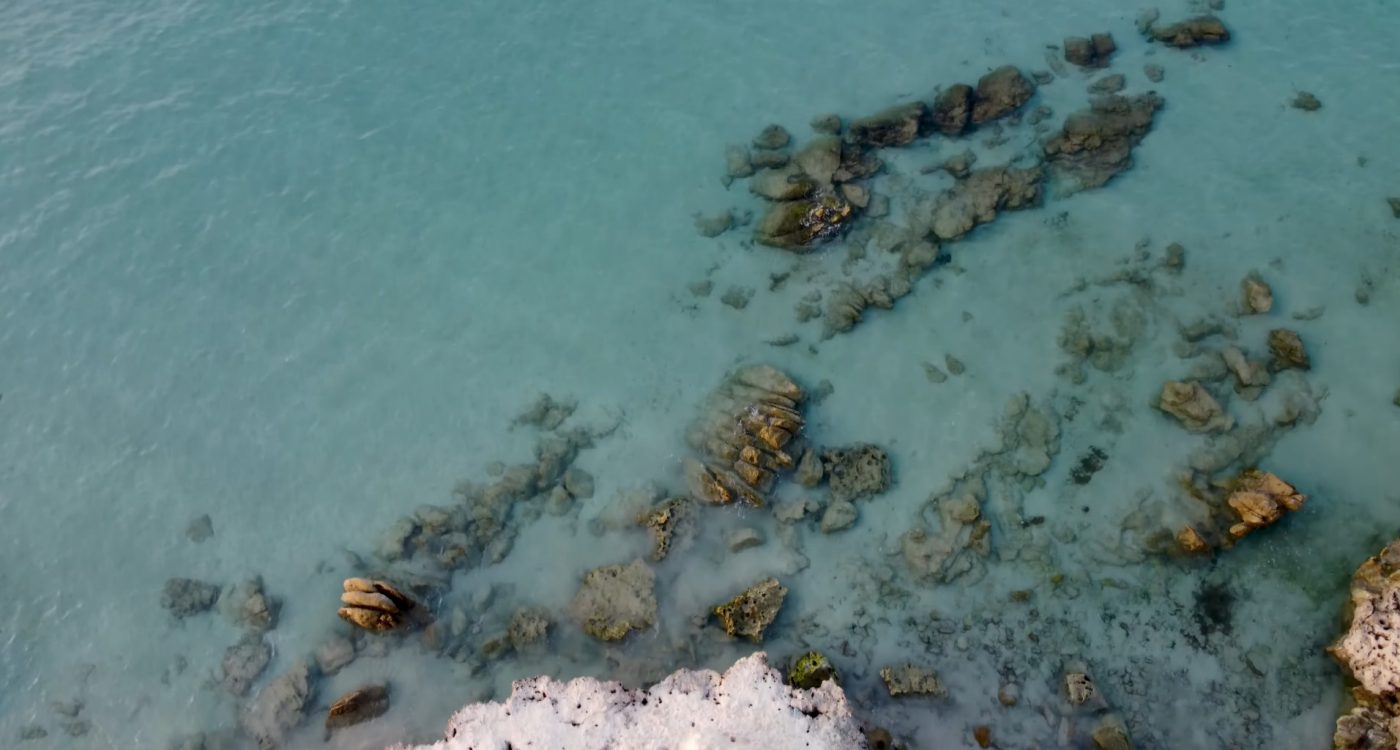
This coastal environment links several nearby beaches including Aomak Beach and Nuged Beach. Together they form a sequence of landscapes that reveal the quieter side of Socotra’s shoreline — less dramatic in the showy sense, maybe, but broader and calmer.
That is one of the underrated things about the south coast in general. It is not trying to overwhelm you with a single giant feature. It builds its effect through repetition, openness and subtle shifts in texture.
Travel Conditions and Practical Reality
Like many remote areas of Socotra, Delisha Beach remains largely undeveloped. Visitors should expect natural conditions, not built infrastructure.
What to Expect
These simple conditions are normal for the southern coastline and are part of what keeps the beach feeling natural rather than managed.
Best Time to Visit
The most comfortable time to explore Delisha Beach is usually between October and April, when temperatures across Socotra are milder and the open shoreline feels more manageable.
In the hotter part of the year the exposed coast can feel intensely warm, especially in the middle of the day. Early morning and late afternoon usually make the most sense. Better light too, honestly.
At softer hours the beach gains more texture. The sand looks less flat, the sea color shifts more noticeably, and the long line of the coast becomes easier to appreciate.
How Long to Spend Here
Delisha Beach works best as a short scenic stop. Most visitors spend around thirty minutes to one hour exploring the shoreline, walking a little and taking in the atmosphere of the coast.
Because several coastal landscapes sit along the same route, Delisha is usually combined with nearby places such as Aomak Beach, Nuged Beach and Zahek Dunes. In that kind of route logic, Delisha is not supposed to carry the whole day by itself. It adds depth to the southern coastline sequence.
Practical Travel Facts
| Location | South coast of Socotra Island |
|---|---|
| Landscape type | Sandy beach |
| Main attraction | Quiet shoreline and open coastal scenery |
| Typical visit length | 30–60 minutes |
| Nearby destinations | Aomak Beach, Nuged Beach, Zahek Dunes |
| Travel style | Part of south coast route |
Final Thoughts on Delisha Beach
Delisha Beach reflects the calm, spacious character of Socotra’s southern coastline really well. The landscape may look simple at first, but the long horizon, quiet shoreline and open sea create an atmosphere that feels remote in a very clean, honest way.
Together with nearby places like Nuged Beach, Aomak Beach and Zahek Dunes, it forms part of a coastal route that reveals one of the island’s least crowded and most expansive environments.